Category: Sub-Zero

Sub-Zero Water Filter Replacement and Refrigerator Not Cooling: What to Check First

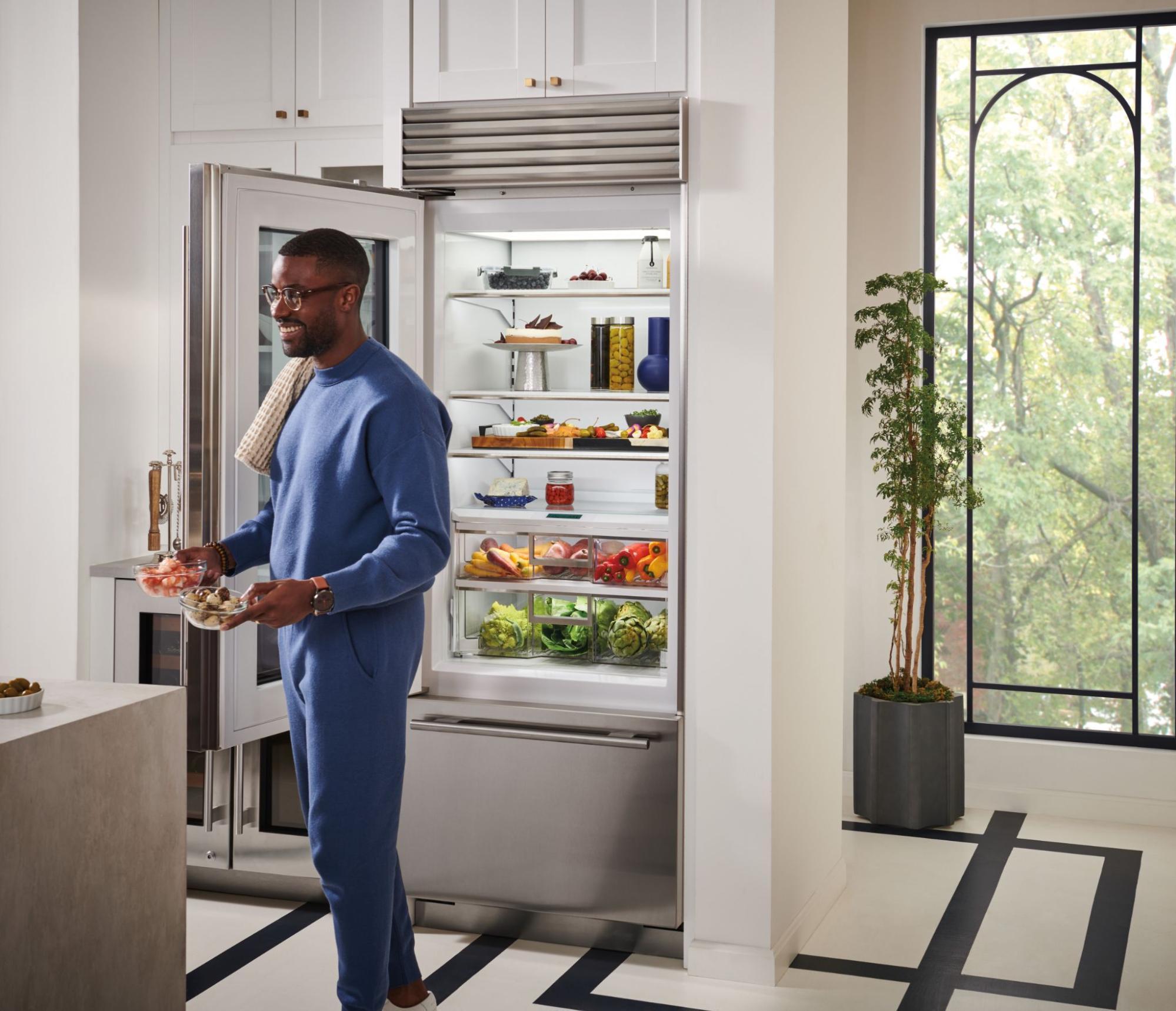
A man in blue loungewear stands in a modern kitchen holding a bowl, with the refrigerator door open, revealing organized food items inside.

Two of the most common calls we receive at Clarke Customer Care are about Sub-Zero water filters and refrigerators that aren’t cooling the way they should. Both are issues that homeowners can often address on their own with the right information — and both are cases where knowing when to call a factory-certified technician matters.

This guide covers both topics: how to replace your Sub-Zero water filter correctly, and a systematic checklist for what to do when your Sub-Zero refrigerator isn’t cooling properly.

Part One: Sub-Zero Water Filter Replacement

Why the Water Filter Matters

Sub-Zero refrigerators with water dispensers and ice makers use an internal water filter to remove impurities before water reaches the ice maker or dispenser. Over time, the filter becomes saturated and loses effectiveness. An overdue filter doesn’t just affect water taste — it can restrict water flow, reduce ice production, and in some cases cause the ice maker to stop functioning entirely.

Sub-Zero recommends replacing the water filter every 12 months, or sooner if the filter indicator light activates. Consistent filter replacement is one of the simplest things you can do to keep your Sub-Zero performing as it should.

How to Know When Your Filter Needs Replacing

Your Sub-Zero will typically signal that a filter change is due in one or more of these ways:

  • The filter indicator icon on the control panel turns on 
  • Water from the dispenser tastes or smells different than usual
  • Ice production slows down noticeably
  • Water flow from the dispenser is weaker than normal
  • It has been more than 12 months since the last replacement

If you’re seeing any of these signs, it’s time to replace the filter regardless of whether the indicator light has activated.
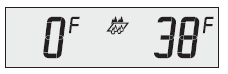
Digital display showing 0°F on the left, a snowflake icon in the center, and 38°F on the right.

Finding the Right Replacement Filter

Sub-Zero uses genuine OEM water filters that are specific to each product line. Using a third-party replacement filter may seem like a cost-saving measure, but non-OEM filters can fail to meet Sub-Zero’s performance specifications, may not fit correctly, and in rare cases can void warranty coverage on the water system.

To find the correct filter for your refrigerator, locate your model number — typically on a label inside the refrigerator compartment, along the top or side wall — and confirm the correct filter part number through Clarke Customer Care or Sub-Zero’s website. Our team can confirm the right filter for your specific model.

How to Replace a Sub-Zero Water Filter: Step by Step

The filter location varies by Sub-Zero model, but the process is similar across the product line:

  1. Locate the filter housing. On most Sub-Zero models, the filter is located behind the grill or the access door at the top of the unit. On undercounter ice makers the filter is at the bottom of the unit. heck your owner’s manual if you’re unsure.
  2. Remove the old filter. Most Sub-Zero filters twist out — rotate counterclockwise until the filter releases. Some models release the filter by pushing in on it. Have a small towel ready as a small amount of water may drip during removal.
  3. Install the new filter. Insert the new filter and rotate clockwise (or push it in) until it locks into place. You should feel a definite click or stop when it’s fully seated.
  4. Reset the filter indicator. After replacing the filter, reset the filter indicator light through the control panel. The specific reset procedure varies by model — consult your owner’s manual for the exact steps.
  5. Flush the system. After the new filter cartridge is installed, discard the first full bucket of ice produced. This will help clean the water system and clear air from the line. For dispenser models, the first several glasses of water should be discarded after replacing the filter as well as the first two full containers of ice. 

After Replacing the Filter: What to Watch For

After a filter replacement, give the system 24 hours before drawing any conclusions about performance. Ice production will restart gradually. If water flow remains restricted or ice production doesn’t resume within 24 hours of replacing the filter, there may be an underlying issue — contact Clarke Customer Care for a diagnostic.

Part Two: Sub-Zero Refrigerator Not Cooling Properly

A stainless steel refrigerator with an open door reveals organized shelves of food and drinks in a modern, bright kitchen with geometric floor patterns.

Don’t Panic — Start With These Checks

A Sub-Zero refrigerator that isn’t cooling properly is alarming, but the cause isn’t always a major mechanical failure. Before calling for service, work through this checklist — in our experience, a significant number of cooling complaints resolve to one of these simple causes.

Check 1: Temperature Settings

Start at the control panel. Sub-Zero recommends a refrigerator temperature of 38°F and a freezer temperature of 0°F. If the settings have been changed — by a child, a cleaning crew, or accidentally — the unit may simply be running at a warmer setting than intended. Confirm the temperature settings are correct and allow 24 hours for the temperature to stabilize before drawing conclusions.

Check 2: The Condenser

This is the most common cause of cooling problems in Sub-Zero refrigerators, and it’s entirely preventable with routine maintenance. The condenser — typically located at the top front of built-in models behind a grille — dissipates heat from the refrigeration system. When it becomes clogged with dust, lint, and pet hair, the unit can’t release heat efficiently, which causes it to run warmer than it should.

Sub-Zero recommends cleaning the condenser at least once a year, and more frequently in homes with pets. If your refrigerator is running warm and the condenser hasn’t been cleaned recently, this is the first thing to address. Cleaning involves removing the grille and carefully vacuuming or brushing away accumulated debris.

If you’re not comfortable cleaning the condenser yourself, or if cleaning it doesn’t resolve the cooling problem, Clarke Customer Care can perform a condenser cleaning as part of a maintenance visit.

Check 3: Door Seals

A damaged or misaligned door gasket allows warm air to enter the refrigerator continuously, making it work harder without achieving the target temperature. Inspect the door gaskets on both the refrigerator and freezer compartments by running your hand slowly around the perimeter of each closed door — you should feel no air movement. Alternatively, close the door on a piece of paper: if you can pull the paper out without resistance, the seal in that area isn’t making adequate contact.

Check 4: Door Opening Frequency and Duration

This sounds trivial, but it matters more than most people realize. If the refrigerator has been opened and closed frequently — during a party, a large grocery delivery, or a period of heavy cooking — it may need several hours to return to its set temperature. Give it time before concluding there’s a mechanical problem. If the temperature hasn’t normalized after 12 hours of normal usage, proceed with further diagnosis.

Check 5: Overloading or Blocked Air Vents

Sub-Zero refrigerators circulate cold air through internal vents to maintain even temperature throughout the compartment. If items are packed too tightly or placed directly against the interior vents, airflow is restricted and uneven cooling results. Check that nothing is blocking the vents on the back wall or ceiling of the refrigerator interior.

Check 6: Recent Power Events

A power outage, a tripped circuit breaker, or a surge can sometimes affect the refrigerator’s control board settings or temporarily disrupt the system. If your home has experienced a power event recently, check that the unit is powered on fully and that settings haven’t been reset to defaults.

When to Call for Service

If you’ve worked through the checklist above and the refrigerator is still not cooling properly, it’s time to schedule service. Symptoms that indicate a mechanical issue requiring a factory-certified technician include:

  • The refrigerator is running constantly but not reaching the set temperature
  • There’s unusual noise — clicking, humming, or grinding — coming from the compressor area
  • There’s visible frost buildup inside the refrigerator compartment (not the freezer)
  • The freezer is functioning normally but the refrigerator section isn’t cooling
  • The condenser has been cleaned and the temperature still isn’t normalizing
  • There’s water pooling under or inside the unit

These symptoms can indicate issues with the compressor, evaporator, sealed system, or control board — all of which require factory-certified diagnosis and repair. Sub-Zero’s sealed system components are proprietary, and repairs must be made by authorized technicians using genuine OEM parts to maintain warranty coverage and ensure the repair holds.

Contact Clarke Customer Care to schedule a diagnostic visit. Our factory-certified technicians serve homeowners across Massachusetts, Connecticut, New Hampshire, Rhode Island, and Maine.

The Value of Preventive Maintenance

Both of the issues covered in this guide — water filter performance and cooling problems — are largely preventable with routine maintenance. Annual condenser cleaning and annual water filter replacement are the two highest-impact maintenance tasks for any Sub-Zero owner. They’re inexpensive relative to the cost of a service call, and they meaningfully extend the service life of the appliance.

If you’d prefer to have a factory-certified technician handle routine maintenance, Clarke Customer Care offers maintenance visits that cover condenser cleaning, filter replacement, gasket inspection, temperature calibration, and a full system check. Contact us to schedule a maintenance appointment for your Sub-Zero refrigerator.

Frequently Asked Questions

How often should I replace my Sub-Zero water filter?

Sub-Zero recommends replacing the water filter every 12 months, or when the filter indicator icon activates — whichever comes first. In households with high water usage or where taste and odor filtration are especially important, replacing the filter on the earlier side of the 12-month window is reasonable. Using the refrigerator beyond 12 months with an exhausted filter can reduce water quality and restrict ice production.

Can I use a non-Sub-Zero water filter in my Sub-Zero refrigerator?

Sub-Zero strongly recommends using genuine OEM filters. Third-party filters may not fit correctly, may not meet Sub-Zero’s filtration specifications, and in some cases can affect warranty coverage on the water and ice system. Given the modest cost difference, genuine Sub-Zero filters are worth using. Clarke Customer Care can confirm the correct filter for your model and help you source it.

My Sub-Zero refrigerator is running but not cooling. What should I check first?

Start with the condenser. A clogged condenser is the most common cause of cooling problems in Sub-Zero refrigerators and is entirely preventable with annual cleaning. After that, check temperature settings, door seals, and whether interior vents are blocked. If none of these resolve the issue, schedule a factory-certified service call for professional diagnosis.

Why is my Sub-Zero freezer working but the refrigerator section isn’t cooling?

Because Sub-Zero refrigerators use separate sealed systems for the refrigerator and freezer compartments, it’s possible for the freezer to operate normally while the refrigerator section loses cooling. Common causes include airflow issues, a malfunctioning evaporator fan, a defrost system problem, or a failure within the refrigerator’s dedicated cooling system. Since several components could be responsible, professional diagnosis is recommended. Contact Clarke Customer Care to schedule service with a factory-certified technician. Contact Clarke Customer Care to schedule a diagnostic visit.

How do I clean a Sub-Zero condenser?

Clarke Customer Care can perform a professional condenser cleaning as part of a maintenance visit.

Does a Sub-Zero water filter issue affect the ice maker?

Yes. The water filter serves both the water dispenser and the ice maker on models equipped with both. A clogged or exhausted filter can restrict water flow to the ice maker, causing it to produce less ice, produce smaller cubes, or stop producing ice altogether. Replacing the filter and flushing the system often restores normal ice production within 24 hours. If ice production doesn’t recover after a filter change, there may be a separate ice maker issue that warrants a service call.

How do I reset the water filter indicator on my Sub-Zero?

The reset procedure varies by model. On most Sub-Zero models, it involves pressing and holding a specific button on the control panel for several seconds after the new filter has been installed. Consult your owner’s manual for the exact procedure for your model. If you’ve lost your manual, Sub-Zero’s website has digital copies available by model number, or contact our team and we can walk you through it.

How do you replace the water filter on the SubZero Classic Series? 

Replacing the water filter on a Sub-Zero Classic Series refrigerator is a simple maintenance task that should be done about once a year or every 750 gallons of water use.

To replace the filter:

  1. Open the top grille to access the water filter compartment.
  2. Push the existing filter inward until it releases, then pull it out.
  3. Remove the protective caps from the new filter.
  4. Insert the new filter and push it in until it clicks into place.
  5. Press and hold the Filter Reset button for five seconds to reset the filter indicator.

After installation, run water through the dispenser for a few minutes (or discard the first two batches of ice on non-dispenser models) to clear air from the system and flush the new filter.

For a visual walkthrough, Clarke Customer Care’s Sub-Zero’s replacement video demonstrates the entire process step-by-step.
Why Factory-Certified Appliance Repair in Boston Makes a Difference

Modern kitchen with light wood cabinets, stainless steel appliances ready for use or appliance repair, a stove with a pot, a kitchen island with two stools, and neutral decor.

When a Sub-Zero refrigerator stops cooling or a Wolf range won’t light, most homeowners do the same thing: search for appliance repair near me and call whoever comes up first. It’s understandable — you need the problem solved, and fast.

But for luxury appliances like Sub-Zero and Wolf, who you call matters more than most people realize. Not all appliance repair is the same, and the difference between factory-certified service and a general repair company isn’t just a matter of credentials. It affects how your appliance performs, how long it lasts, and whether your warranty stays intact.

Here’s what factory-certified repair actually means — and why it matters specifically for Sub-Zero and Wolf owners in the Boston area.

What Does “Factory Certified” Mean?

Factory-certified service means that the technicians have been trained and authorized directly by the manufacturer — in this case, Sub-Zero and Wolf. This is not a general certification or a third-party designation. It means:

  • Training from the manufacturer: Factory-certified technicians complete training programs run by Sub-Zero and Wolf, covering the specific engineering, components, and diagnostic procedures for each product line. This training is updated as products evolve.
  • Genuine OEM parts: Factory-certified service centers use original equipment manufacturer parts — the same components that went into your appliance when it was built. Non-certified repair companies may use third-party replacement parts that are lower quality or not engineered to the same specifications.
  • Warranty compliance: Sub-Zero and Wolf warranties stipulate that service be performed by a factory-certified provider. Repairs made by unauthorized technicians using non-OEM parts can void your warranty.

Clarke Customer Care is a factory-certified service provider for Sub-Zero and Wolf appliances across the Boston area and most New England. Our technicians are trained, authorized, and equipped with the diagnostic tools and genuine parts that these appliances require.

Why Sub-Zero and Wolf Need Specialized Service

Sub-Zero and Wolf appliances are engineered to a significantly higher standard than mass-market appliances. That engineering is exactly what makes them perform the way they do — and it’s also why they require specialized knowledge to service correctly.

A Sub-Zero refrigerator, for example, uses a dual-compressor system that preserves food differently than a standard refrigerator. The condenser, evaporator, and sealed system components are designed to Sub-Zero’s specifications. A technician who has only worked on standard refrigerators may misdiagnose a problem or apply a fix that works in the short term but compromises the system over time.

Wolf appliances — ranges, cooktops, wall ovens — involve commercial-grade components and control systems that general appliance technicians rarely encounter. Dual-fuel ranges, for example, combine gas burners with an electric oven that operates differently from either a pure gas or standard electric oven.

Factory-certified technicians know these systems. They’ve been trained on them. That depth of knowledge translates directly into more accurate diagnoses and repairs that hold up.

The Cost of Getting It Wrong

When a non-certified repair company works on a Sub-Zero or Wolf appliance — using generic parts, without the proper diagnostic tools — the consequences aren’t always visible immediately. But they show up:

  • A repair that seems to work initially fails again within months because the underlying cause wasn’t properly diagnosed.
  • A non-OEM replacement part degrades faster or doesn’t perform to the original specification, leading to a secondary problem.
  • A voided warranty leaves you with no recourse when a covered component fails.

These appliances represent a significant investment. The cost of a factory-certified repair is meaningfully lower than the cost of undoing a poor one.

What Clarke Customer Care Covers

Clarke Customer Care provides factory-certified service for Sub-Zero and Wolf appliances throughout Boston and the surrounding area. Our service includes:

We serve homeowners across Massachusetts, Connecticut, New Hampshire, Rhode Island, and Maine.

Routine Maintenance: The Repair You’ll Never Have to Make

The most overlooked aspect of owning a Sub-Zero or Wolf appliance is routine maintenance. A Sub-Zero refrigerator, for example, has a condenser that needs to be cleaned periodically to maintain efficiency and prevent premature compressor failure. Sub-Zero water filters need to be replaced on schedule to maintain water quality and proper ice production.

Skipping these maintenance steps doesn’t break an appliance immediately — but it shortens its service life and can lead to failures that are entirely preventable. Factory-certified preventative maintenance program visits through Clarke Customer Care ensure these tasks are performed routinely.

How to Schedule Service

If your Sub-Zero or Wolf appliance needs service — or if you want to schedule a routine maintenance visit —contact Clarke Customer Care directly. Our team will confirm your appliance model, describe the issue, and schedule a visit from a factory-certified technician.


Frequently Asked Questions

What does factory-certified appliance repair mean?

Factory-certified repair means the technicians have been trained and authorized directly by the manufacturer — in this case Sub-Zero and Wolf. It means they use genuine OEM replacement parts, have access to manufacturer diagnostic tools, and follow repair procedures specified by the brand. This is distinct from general appliance repair, where technicians may work across many brands without manufacturer-specific training or parts authorization.

Does using a non-certified repair company void my Sub-Zero or Wolf warranty?

Sub-Zero and Wolf warranties require that service be performed by a factory-certified provider using genuine OEM parts. Repairs made by unauthorized technicians, or using non-OEM replacement parts, may void your warranty coverage. If your appliance is within the warranty period, using a factory-certified service provider like Clarke Customer Care is essential to protecting that coverage.

How quickly can I get a factory-certified technician to my home in the Boston area?

Scheduling depends on current demand and your location, but Clarke Customer Care serves homeowners throughout Massachusetts and the greater Boston area. Contact us directly to discuss availability and scheduling for your specific situation.

What Sub-Zero and Wolf appliances does Clarke Customer Care service?

Clarke Customer Care provides factory-certified service for the full range of Sub-Zero and Wolf appliances, including Sub-Zero refrigerators (built-in, column, and undercounter), Wolf ranges, cooktops, and wall ovens, and Cove dishwashers. We cover Massachusetts, Connecticut, New Hampshire, Rhode Island, and Maine.

How often should a Sub-Zero refrigerator be serviced?

Sub-Zero recommends cleaning the condenser at least once a year — more frequently in homes with pets, where lint and hair can accelerate buildup. Water filters should be replaced every 12 months or when the indicator signals. To be sure your appliance is always working at peak performance consider a preventative maintenance program service done annually. 

Is Clarke Customer Care the same company as Clarke?

Yes. Clarke Customer Care is the factory-certified service arm of Clarke, the same company that operates Clarke showrooms in Boston, Milford, and South Norwalk. Our service technicians are the same people our showroom consultants trust to take care of the appliances we sell. That connection means we understand these products deeply and stand behind the service we provide.


Need Sub-Zero Ice Maker Repair? Clarke Is Here to Help.

Clarke Customer Care has been the trusted Sub-Zero service partner for New England homeowners for over 21 years. Our certified technicians carry genuine manufacturer parts and deliver same-day and next-day appointments. Schedule your service appointment today. 


Sub-Zero Ice Maker Troubleshooting: How to Reset, Fix & Maintain Your Unit

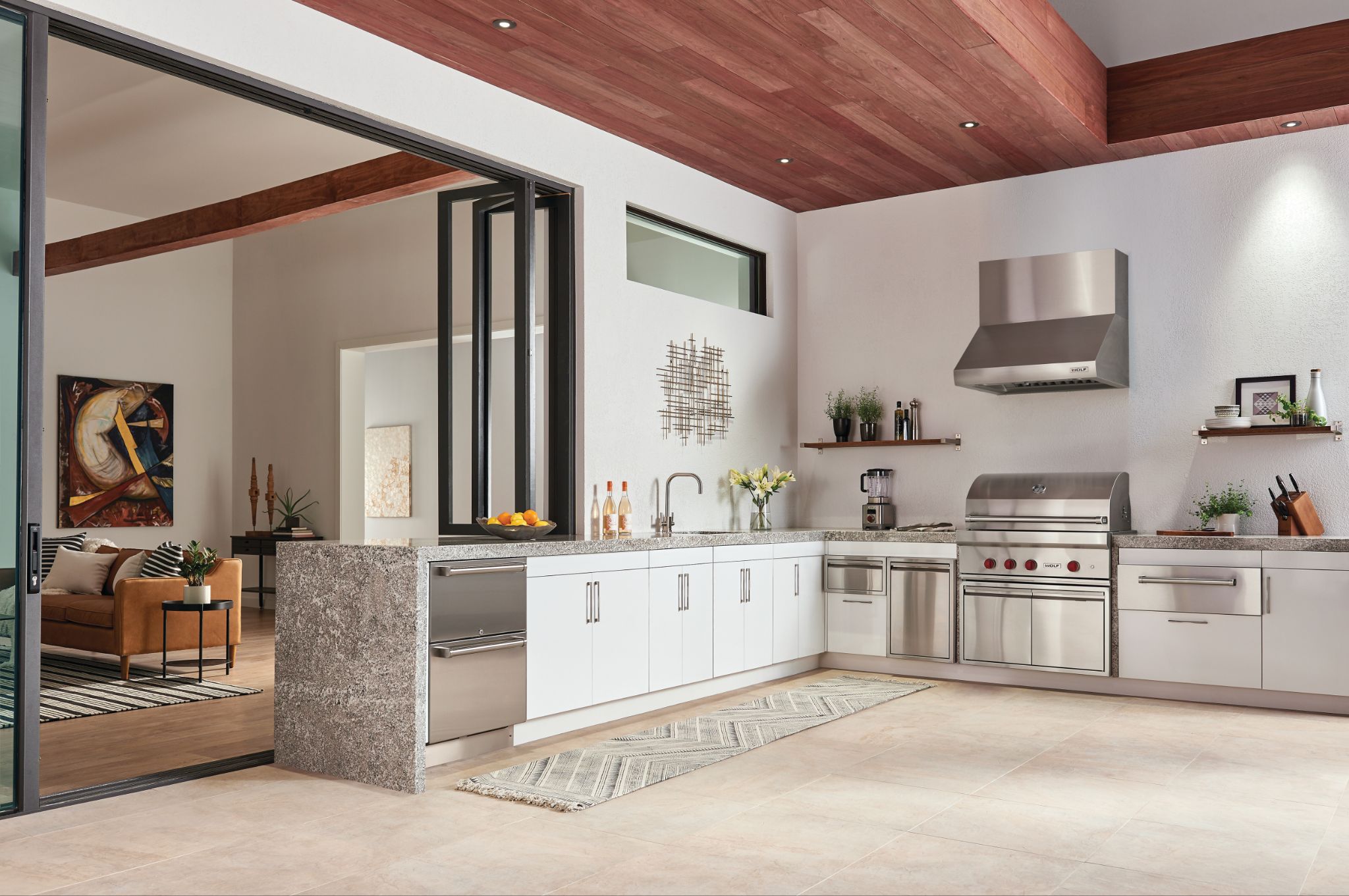
Modern indoor-outdoor kitchen with stainless steel appliances—including a built-in ice maker—white cabinets, open shelving, and sliding glass doors leading to a living area.

Is the ice maker in your Sub-Zero not making ice? This step-by-step guide covers how to reset your unit, diagnose the most common problems, and know when to call a certified technician.

When your Sub-Zero ice maker stops working, it can be genuinely frustrating. The good news is that many Sub-Zero ice maker problems have straightforward solutions you can try right at home before calling for service.

In this guide, we’ll walk you through how to reset your Sub-Zero ice maker, cover the most common reasons it might stop producing ice, and explain when it’s time to bring in a certified technician. Whether you own a built-in refrigerator or a Sub-Zero undercounter ice maker, these troubleshooting steps will help you get things running again.

Quick Fix

The fastest Sub-Zero ice maker reset: turn the unit OFF, wait 30–60 seconds, then turn it back ON. Allow up to 24 hours for ice production to resume after any reset.

In This Article

  • How to Reset Your Ice Maker
  • 7 Things to Check First
  • Undercounter Ice Maker Tips
  • Maintenance Schedule
  • When to Call for Repair
  • Frequently Asked Questions

How to Reset Your Sub-Zero Ice Maker

The reset process varies slightly depending on your Sub-Zero model, but the core steps are consistent across product lines.

Standard Reset (All Models)

  1. Locate the ice maker ON/OFF switch or button on your control panel.
  2. Turn the ice maker OFF and wait at least 30 seconds.
  3. Turn the ice maker back ON.
  4. Wait up to 24 hours — it can take this long for ice production to fully resume after a reset.

Classic Series (BI) Reset — Flashing Ice Cube Icon

If you see a single flashing ice cube on the control panel, this indicates a fault condition. Here’s how to clear it:

  1. Hold the ALARM key (just left of POWER on the control board) for 15 seconds. The display should read “CFC.”
  2. If the cube continues to flash, simultaneously hold the Max Ice and Ice Maker keys for 5 seconds.
  3. After clearing the error, wait 24 hours for ice production to return to normal.

If the flashing returns after this reset, a service call is needed. Contact Clarke Customer Care to schedule a certified technician.

600 Series Reset — “Service Ice” Flashing

On 600 Series units, if “Service Ice” is flashing on the display, the water valve ran longer than 15 seconds and automatically shut the ice maker off. Press the Ice On/Off key to reset. Confirm water supply pressure is adequate before restarting.

Full Power Reset (Any Model)

For a complete system reset, turn the entire unit off at the control panel, wait 60 seconds, then power it back on. This soft reboot can clear electronic glitches that prevent ice production.

Sub-Zero Ice Maker Not Making Ice? 7 Things to Check

Before assuming your Sub-Zero ice maker needs repair, work through these common causes in order. Most Sub-Zero ice maker problems can be resolved without a service visit.

1.) Confirm the Ice Maker Is Actually On

This is the most common oversight. The ice maker must be turned on separately from the refrigerator itself. Look for a single or triple ice cube icon on the display — if it’s absent, the ice maker is off. Press the ICE MAKER or Ice On/Off button to enable it.

Also verify that the ice maker shut-off arm is in the DOWN position. If it’s raised, the ice maker won’t cycle. Turn the unit off, gently push the arm down (it only moves about an inch), then restart.

2.) Check Freezer Temperature

Proper temperature is critical for ice production. Sub-Zero recommends a freezer temperature of 0°F, and ice production can be affected if the freezer climbs above 5°F. Confirm your setting on the control display. If the freezer is running warm, check the condenser coils and ensure vents aren’t blocked.

Pro Tip: For Sub-Zero undercounter ice makers, ambient room temperature matters too. Units installed in areas above 100°F or in direct sunlight will struggle to produce and retain ice, since the ice bin is not refrigerated.

3.) Replace or Reset the Water Filter

A clogged or improperly installed water filter is one of the leading causes of a Sub-Zero ice maker not making ice. Sub-Zero recommends replacing your water filter every 6–12 months. Even if the filter isn’t due for a change, removing and reseating it can resolve flow issues caused by air pockets or loose installation.

  1. Turn the unit off.
  2. Remove the water filter completely.
  3. Reinstall the filter, pressing firmly until it seats securely.
  4. Turn the unit back on and allow 24 hours for ice production.

Always use genuine Sub-Zero water filters. Third-party filters are not tested to Sub-Zero specifications and can impair performance.

4.) Inspect the Water Supply

The ice maker won’t produce ice without a steady water supply. Check the following:

  • Confirm the water shutoff valve is fully open — it may be under the kitchen sink, behind the kickplate, in an adjacent cabinet, or near your home’s water filtration system.
  • If you use a reverse osmosis system or well water, low pressure is a common culprit. Water pressure should be 20–120 psi for most Sub-Zero models. A plumber can install a pressure booster if needed.
  • Small or hollow ice cubes are a telltale sign of low water pressure — don’t ignore this symptom.

5.) Clear a Frozen Fill Tube

The fill tube supplies water directly into the ice maker. If residual water freezes inside this tube, it will block the water supply entirely. Signs of a frozen fill tube include no ice production despite the unit being on and water connected.

For minor blockages, you can carefully apply warm air from a hair dryer (set to low) along the fill tube area. If the tube is severely frozen or this doesn’t resolve it, a certified technician should assess it — forcing a frozen tube can cause damage.

6.) Clean the Condenser Coils

Dirty condenser coils reduce cooling efficiency throughout the unit, including the ice maker. Sub-Zero recommends cleaning the condenser every 6–12 months for most built-in models. A buildup of dust and pet hair on the coils forces the compressor to work harder and can prevent the freezer from reaching the temperatures required for ice production.

7.) Check for Ice Jams

Sometimes ice production is fine, but cubes can’t drop into the bin because of an internal jam. This often happens when the freezer door is opened frequently in a warm kitchen — cubes melt slightly, refreeze, and clump together.

  1. Carefully remove the ice bin.
  2. Break up any clumped or fused ice.
  3. Use a hair dryer on low to gently clear any frozen blockage in the ice maker assembly.
  4. Reinstall the bin, making sure it is level and fully seated — on some models, proper seating triggers the ice maker switch.

To prevent future jams, empty and clean the ice bin monthly.

Sub-Zero Undercounter Ice Maker Troubleshooting

Sub-Zero’s undercounter ice makers (UC-15I and 315I) have a few unique considerations compared to their built-in refrigerator counterparts.

  • Allow 24 hours after startup before expecting ice — undercounter units need time to stabilize their cycle.
  • Check that the delay function has not been inadvertently activated (refer to your Use and Care Guide for your model).
  • Ensure the drain line is not kinked or looped — a blocked drain can halt ice production entirely.
  • The ice bin on undercounter models is not refrigerated, meaning ice will melt faster in warm or sunny environments.
  • The unit must be on stable household power — undercounter ice makers should not be run on a generator, as voltage variations can affect operation.
  • Regular cleaning and sanitizing is especially important for undercounter units. Follow the cleaning schedule in your Use and Care Guide — typically every 3–6 months.

Sub-Zero Ice Maker Maintenance Schedule

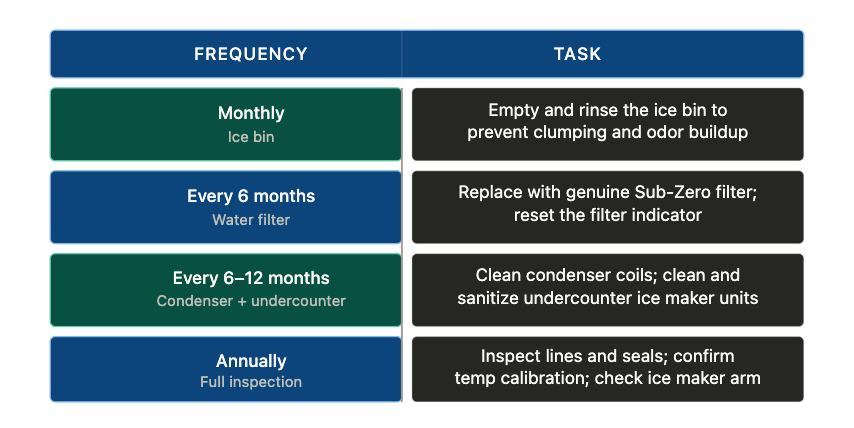
Most Sub-Zero ice maker problems we see at Clarke Customer Care are preventable with routine maintenance. Here’s a simple schedule to keep your unit running at its best.

A chart lists ice maker maintenance tasks by frequency: monthly, every 6 months, every 6–12 months, and annually, detailing specific ice maker care steps for each interval.

When to Call for Sub-Zero Ice Maker Repair

While many issues can be resolved with the steps above, some problems require professional diagnosis. Contact Clarke Customer Care if:

  • Ice production hasn’t resumed after 24 hours following all troubleshooting steps.
  • You notice water leaking inside or around the unit — this may indicate a faulty water inlet valve or cracked supply line.
  • The ice maker runs but no ice drops into the bin, which can signal a failing motor module.
  • You’re experiencing recurring error codes or a flashing service alert that returns after resetting.
  • You hear grinding or unusual noises during ice-making cycles.
  • Ice tastes or smells bad even after a filter change — this may indicate contamination in the water line or ice maker assembly.

Clarke’s technicians are factory-certified Sub-Zero repair specialists. We carry genuine Sub-Zero parts and can diagnose issues that go beyond basic troubleshooting, including faulty mold thermostats, defective water inlet valves, and control board failures. Schedule your Sub-Zero service appointment today. 


Frequently Asked Questions

How do I reset my Sub-Zero ice maker? 

Turn the ice maker off at the control panel, wait 30–60 seconds, then turn it back on. For Classic Series models with a flashing ice cube icon, hold the ALARM key for 15 seconds (display should show CFC), then hold Max Ice and Ice Maker keys together for 5 seconds if needed. Allow up to 24 hours for ice production to resume after any reset.

Why is my Sub-Zero ice maker not making ice? 

The most common causes are: the ice maker is turned off, the freezer temperature is above 5°F, the water filter is clogged or improperly installed, the water supply line is kinked or the shutoff valve is closed, or the fill tube is frozen. Work through each of these systematically before calling for repair.

How long does it take for a Sub-Zero ice maker to produce ice after a reset? 

Up to 24 hours. The freezer must first reach the correct temperature (Sub-Zero recommends 0°F), then the ice maker cycles through its process. Undercounter ice makers may take slightly longer as the system stabilizes.

Why is my Sub-Zero ice maker making small or hollow ice cubes? 

Small or hollow cubes are typically caused by low water pressure. Most Sub-Zero models require 20–120 psi. Check for kinks in the water line, a partially closed shutoff valve, or an overdue water filter. If you use a reverse osmosis system, you may need a pressure booster — contact a local plumber for assistance.

How often should I replace my Sub-Zero water filter? 

Sub-Zero recommends replacing the water filter every 6–12 months, depending on your water quality and usage. Always use genuine Sub-Zero water filters — third-party filters are not tested to manufacturer specifications and can impair ice maker performance or void your warranty.

My Sub-Zero undercounter ice maker isn’t making ice. What should I check first?

Confirm the unit has been running for at least 24 hours (undercounter models need time to stabilize), check that the water supply is on, verify the condenser has been cleaned within the last 6–12 months, ensure the drain line isn’t kinked, and confirm the unit is on stable household power — not a generator.

When should I call a technician for Sub-Zero ice maker repair?

If basic troubleshooting doesn’t restore ice production after 24 hours, you notice water leaking around the unit, the ice maker runs without dropping cubes, or you’re seeing recurring error codes, it’s time to call a factory-certified technician. Clarke Customer Care specializes in Sub-Zero repair and can diagnose component-level issues including faulty inlet valves, motor modules, and control boards.


Need Sub-Zero Ice Maker Repair? Clarke Is Here to Help.

Clarke Customer Care has been the trusted Sub-Zero service partner for New England homeowners for over 21 years. Our certified technicians carry genuine manufacturer parts and deliver same-day and next-day appointments. Schedule your service appointment today. 


Who Services Sub-Zero Refrigerators?

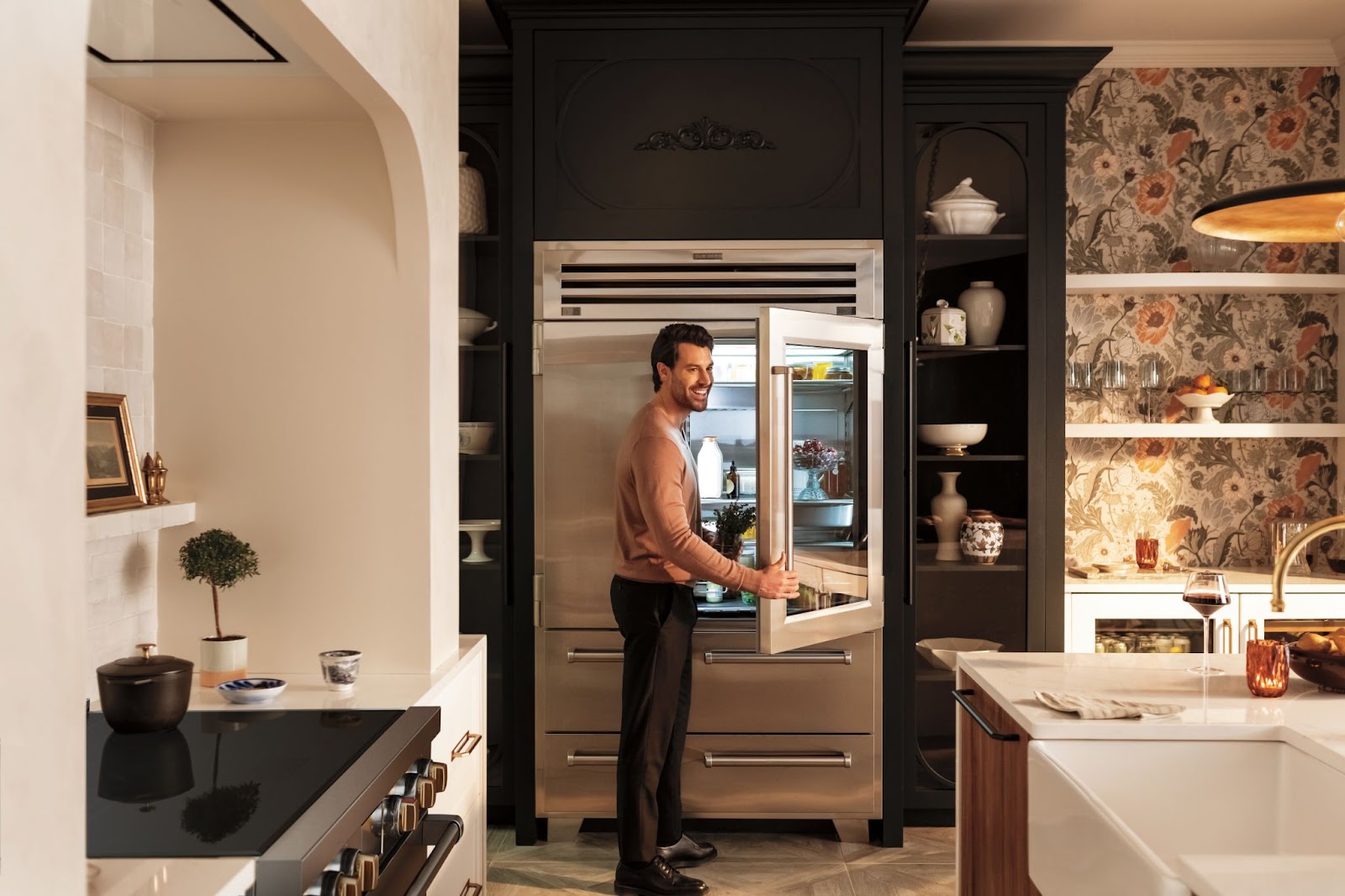
Man standing in a modern kitchen, smiling while opening a large stainless steel Sub-Zero refrigerator with shelves of items inside.

If you own a Sub-Zero refrigerator, you already know it’s not a standard appliance. It’s a built-in, integrated system designed for performance and longevity. When service is needed, the question isn’t just who repairs refrigerators — it’s who services Sub-Zero refrigerators properly.

If you own a Sub-Zero refrigerator, you already know it’s not a standard appliance. It’s a built-in, integrated system designed for long-term performance and food preservation.

If you’re wondering who services Sub-Zero refrigerators, start with the retail dealer who sold you the unit. Many authorized dealers coordinate or provide factory-approved service directly. You can also schedule service with Clarke Customer Care, the authorized Sub-Zero service provider for much of New England.

If you’re unsure who covers your area, Sub-Zero provides a service locator tool on its website to help you find a factory-authorized provider near you.

Key Takeaways

Sub-Zero refrigerators should be serviced by factory-certified technicians who are trained specifically on Sub-Zero systems. These units require brand-specific diagnostics, parts, and calibration. Clarke Customer Care provides authorized Sub-Zero service throughout most of New England.

Sub-Zero refrigerators are engineered differently than freestanding units. From dual-compressor systems to advanced air purification, these appliances require technical knowledge beyond general appliance repair. Hiring a general handyman or non-certified repair company can lead to improper diagnosis, incorrect parts, and repeat service calls.

Why Sub-Zero Refrigerators Require Specialized Service

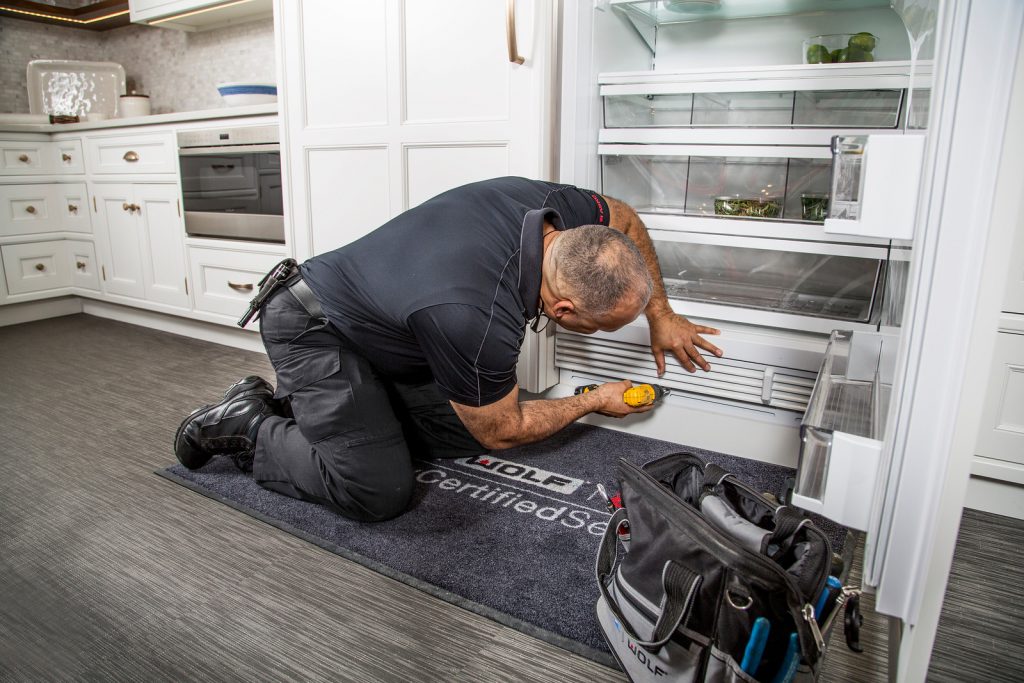
luxury appliance repair technician servicing a fridge in new england

Sub-Zero refrigerators are engineered around advanced food preservation. While every premium appliance brand has proprietary features, Sub-Zero is known for its dual-compressor system, which keeps refrigerator and freezer air separate to help control temperature and humidity more precisely.

Beyond that, components such as the sealed system, evaporators, and electronic controls are designed specifically for Sub-Zero products. These brand-specific systems are part of what defines performance, longevity, and service requirements over time.

Servicing these systems requires:

  • Factory training on Sub-Zero diagnostics
  • Access to genuine Sub-Zero replacement parts
  • Knowledge of sealed system repair standards
  • Calibration to manufacturer specifications

Improper service can affect food preservation performance, temperature stability, and long-term reliability. In some cases, unauthorized repairs may also impact warranty coverage.

Who Should Service a Sub-Zero Refrigerator?

The correct answer is a factory-authorized Sub-Zero service provider.

Clarke Customer Care is the official service and support division connected to Clarke, the exclusive distributor of Sub-Zero, Wolf, and Cove appliances in New England. As an authorized provider, Clarke Customer Care technicians are trained specifically on Sub-Zero systems and use genuine manufacturer parts.

Unlike general appliance repair companies, factory-authorized service teams work directly with manufacturer technical support and service documentation. That ensures repairs follow Sub-Zero standards.

Signs Your Sub-Zero Refrigerator Needs Service

Even high-performance appliances require maintenance and repair over time. You may need professional service if you notice:

  • Temperature fluctuations
  • Ice buildup or frost issues
  • Water leaks
  • Unusual noises
  • Error codes on the control panel
  • Condenser coils requiring cleaning
  • Doors not sealing properly

Addressing these issues early can prevent more expensive repairs later.

Preventative Maintenance Matters

Sub-Zero refrigerators are designed to last 20 years or more with proper maintenance. Annual condenser cleaning, door seal inspection, and system checks help maintain efficiency and food preservation quality.

Factory-certified service providers understand recommended maintenance intervals and can inspect components that are commonly overlooked during general service visits.

Service Area

Clarke Customer Care provides authorized Sub-Zero service across Massachusetts, Rhode Island, Connecticut, New Hampshire, and Maine. Scheduling your Sub-Zero service with a certified team ensures your appliance is serviced according to manufacturer standards.

Frequently Asked Questions

Who services Sub-Zero refrigerators near me?

Sub-Zero refrigerators should be serviced by factory-authorized providers. Clarke Customer Care is the authorized Sub-Zero service provider for Connecticut, Rhode Island, Massachusetts (including Nantucket and Cape Cod), southeastern New Hampshire, and the southern coast of Maine. To find a service provider near you use Sub-Zero’s locator tool.

Can any appliance repair company fix a Sub-Zero refrigerator?

Not all repair companies are trained or authorized to service Sub-Zero systems. These appliances use specialized components that require brand-specific expertise.

Does Sub-Zero require certified technicians?

Sub-Zero recommends factory-trained and authorized technicians to ensure repairs meet manufacturer standards and maintain warranty protection.

How long do Sub-Zero refrigerators last?

With proper maintenance and professional service, many Sub-Zero refrigerators last 20 years or longer.

Is Sub-Zero service expensive?

Costs vary depending on the issue, parts required, and model. Factory-authorized service may cost more than general repair services, but it ensures proper diagnostics, correct parts, and long-term reliability.

How do I schedule Sub-Zero refrigerator service?

You can contact Clarke Customer Care directly through their website to schedule authorized Sub-Zero service in your area.

If you’re asking who services Sub-Zero refrigerators, the answer should always point to factory-authorized expertise. Sub-Zero appliances are engineered systems, not standard refrigerators. Choosing certified service protects your investment, maintains performance, and ensures repairs are done right the first time.

How to Fix the Ice Maker in a Sub-Zero Refrigerator

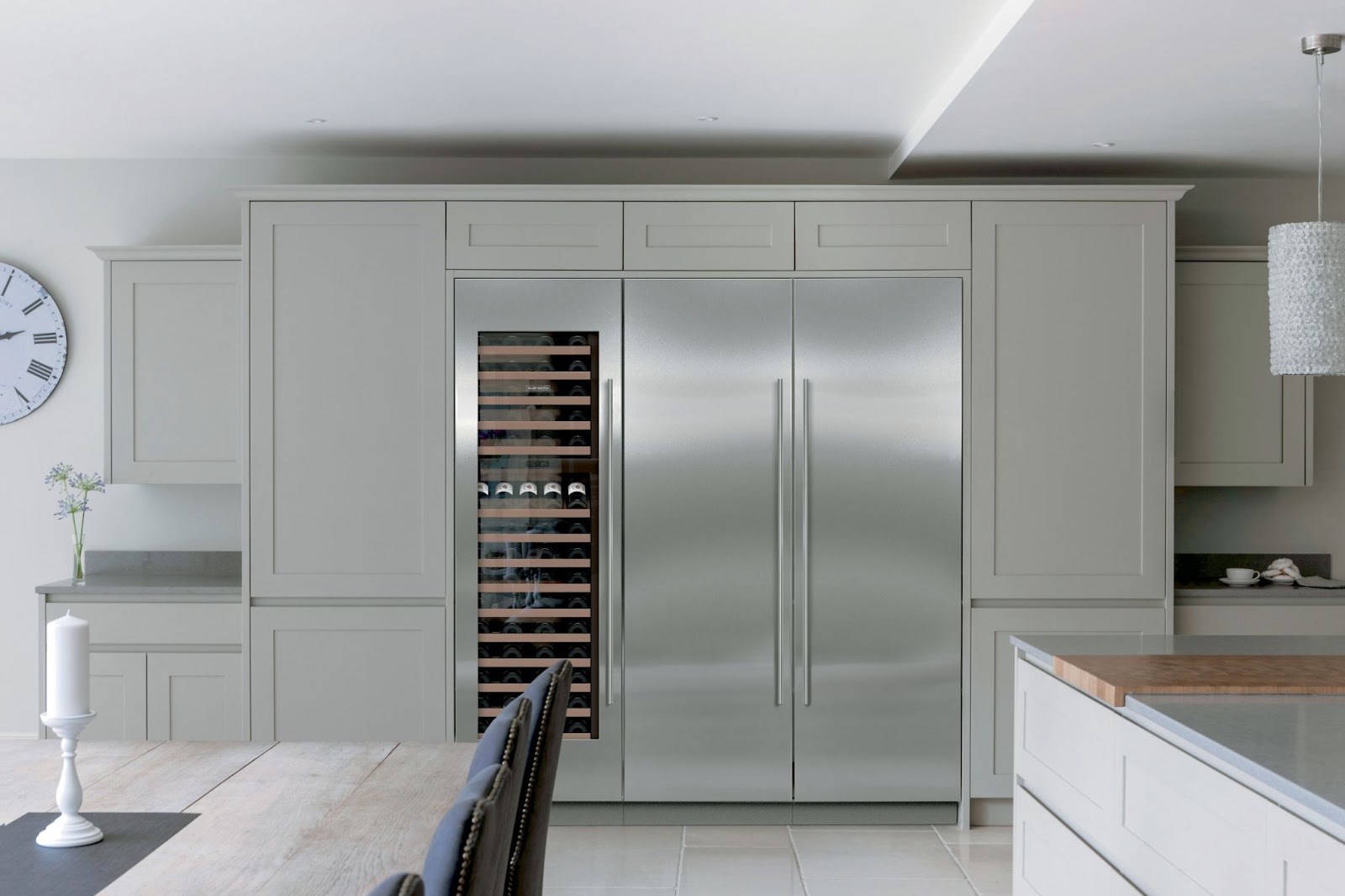
Modern kitchen with light gray cabinets, a built-in stainless steel fridge featuring an ice maker, a wine cooler, and minimalistic decor including a wall clock and candlesticks on the dining table.

When the ice maker in your Sub-Zero refrigerator stops producing ice, it’s frustrating—but it doesn’t automatically mean a major failure. Most ice maker issues stem from water flow restrictions, temperature inconsistencies, or a component that needs adjustment, and in some cases professional service.

The key is knowing what you can safely troubleshoot yourself and when it’s time to involve a specialist. If basic checks don’t restore ice production, scheduling service with Clarke Customer Care ensures the issue is diagnosed correctly and resolved without compromising the performance of your refrigerator.

Common Signs a Sub-Zero Ice Maker Isn’t Working

  • Ice production slows down or stops completely
  • Ice cubes are small, misshapen, or hollow
  • The ice maker is making noise but not producing ice
  • Ice builds up or jams inside the bin
  • Water leaks around the ice maker area

These symptoms usually point to a few common causes.

Step One: Check the Basics

Start with the freezer temperature. A Sub-Zero ice maker needs consistent cold temperatures to work properly. If the freezer is set too warm, ice production will suffer.

Next, confirm the ice maker is turned on. Ice makers in a Sub-Zero have a button that turns the icemaker on, and they also have an arm in the bin to stop production. Check the water supply line behind the refrigerator. If the line is kinked, frozen, or partially closed, the ice maker won’t receive enough water to function.

Step Two: Inspect the Water Filter

A clogged or overdue water filter is one of the most common reasons Sub-Zero ice makers stop producing ice.

If the filter hasn’t been replaced recently, start there. Restricted water flow can prevent the ice mold from filling correctly or stop ice production entirely.

After replacing the filter, allow several hours for ice production to resume.

Step Three: Look for Ice Buildup or Jams

Ice can sometimes jam the ejector mechanism or freeze over internal components.

If you see visible ice buildup, gently remove loose ice from the bin. Do not use sharp tools or force components, as this can damage the ice maker.

Persistent freezing or recurring jams often indicate a failing component rather than a simple blockage.

When a Reset May Help

Three people wearing black collared shirts stand in front of a large stainless steel Wolf kitchen appliance, smiling at the camera against a dark background.

In some cases, a power reset can help clear minor control issues.

Turning the unit off briefly and restoring power may allow the ice maker to reinitialize. If ice production resumes but fails again shortly after, the issue is likely mechanical or electrical.

When DIY Stops Making Sense

If basic checks don’t restore ice production, the issue may involve the inlet valve, thermostat, motor, or control board.

Sub-Zero ice makers are integrated systems. Replacing parts without proper diagnostics can lead to repeat failures or additional damage. This is where professional service matters.

Why Sub-Zero Ice Maker Repairs Require Expertise

Sub-Zero refrigerators are built differently than standard appliances. Their ice makers are designed to work within a tightly controlled environment and rely on precise components.

Proper diagnosis requires familiarity with Sub-Zero systems, not guesswork.

At Clarke Customer Care, our technicians specialize in servicing Sub-Zero appliances. We identify the real cause of the problem and fix it correctly the first time.

Final Thoughts

When a Sub-Zero ice maker stops working, the solution isn’t always obvious—but it is usually fixable.

If basic troubleshooting doesn’t restore ice production, professional service protects the performance and longevity of your refrigerator.

Clarke Customer Care provides expert Sub-Zero ice maker repair with factory-trained technicians who understand these systems inside and out. If your Sub-Zero ice maker still isn’t working after basic troubleshooting, contact Clarke Customer Care to schedule expert service and get your refrigerator back to peak performance.

Frequently Asked Questions

Why did my Sub-Zero ice maker suddenly stop working?

Common causes include temperature changes, clogged water filters, water supply issues, or worn components.

How long should it take for ice to start again after fixing the issue?

Once the problem is resolved, ice production typically resumes within several hours.

Should I replace the ice maker myself?

Ice maker replacement requires model-specific knowledge and proper calibration. DIY replacement often leads to additional issues.

Can a dirty condenser affect ice production?

Yes. Poor airflow and cooling performance can indirectly reduce ice maker efficiency.

Is it worth repairing a Sub-Zero ice maker?

In most cases, yes. Sub-Zero appliances are built for long-term service and repair rather than replacement.