
Two of the most common calls we receive at Clarke Customer Care are about Sub-Zero water filters and refrigerators that aren’t cooling the way they should. Both are issues that homeowners can often address on their own with the right information — and both are cases where knowing when to call a factory-certified technician matters.
This guide covers both topics: how to replace your Sub-Zero water filter correctly, and a systematic checklist for what to do when your Sub-Zero refrigerator isn’t cooling properly.
Part One: Sub-Zero Water Filter Replacement
Why the Water Filter Matters
Sub-Zero refrigerators with water dispensers and ice makers use an internal water filter to remove impurities before water reaches the ice maker or dispenser. Over time, the filter becomes saturated and loses effectiveness. An overdue filter doesn’t just affect water taste — it can restrict water flow, reduce ice production, and in some cases cause the ice maker to stop functioning entirely.
Sub-Zero recommends replacing the water filter every 12 months, or sooner if the filter indicator light activates. Consistent filter replacement is one of the simplest things you can do to keep your Sub-Zero performing as it should.
How to Know When Your Filter Needs Replacing
Your Sub-Zero will typically signal that a filter change is due in one or more of these ways:
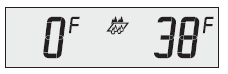
- The filter indicator icon on the control panel turns on
- Water from the dispenser tastes or smells different than usual
- Ice production slows down noticeably
- Water flow from the dispenser is weaker than normal
- It has been more than 12 months since the last replacement
If you’re seeing any of these signs, it’s time to replace the filter regardless of whether the indicator light has activated.
Finding the Right Replacement Filter
Sub-Zero uses genuine OEM water filters that are specific to each product line. Using a third-party replacement filter may seem like a cost-saving measure, but non-OEM filters can fail to meet Sub-Zero’s performance specifications, may not fit correctly, and in rare cases can void warranty coverage on the water system.
To find the correct filter for your refrigerator, locate your model number — typically on a label inside the refrigerator compartment, along the top or side wall — and confirm the correct filter part number through Clarke Customer Care or Sub-Zero’s website. Our team can confirm the right filter for your specific model.
How to Replace a Sub-Zero Water Filter: Step by Step
The filter location varies by Sub-Zero model, but the process is similar across the product line:
- Locate the filter housing. On most Sub-Zero models, the filter is located behind the grill or the access door at the top of the unit. On undercounter ice makers the filter is at the bottom of the unit. heck your owner’s manual if you’re unsure.
- Remove the old filter. Most Sub-Zero filters twist out — rotate counterclockwise until the filter releases. Some models release the filter by pushing in on it. Have a small towel ready as a small amount of water may drip during removal.
- Install the new filter. Insert the new filter and rotate clockwise (or push it in) until it locks into place. You should feel a definite click or stop when it’s fully seated.
- Reset the filter indicator. After replacing the filter, reset the filter indicator light through the control panel. The specific reset procedure varies by model — consult your owner’s manual for the exact steps.
- Flush the system. After the new filter cartridge is installed, discard the first full bucket of ice produced. This will help clean the water system and clear air from the line. For dispenser models, the first several glasses of water should be discarded after replacing the filter as well as the first two full containers of ice.
After Replacing the Filter: What to Watch For
After a filter replacement, give the system 24 hours before drawing any conclusions about performance. Ice production will restart gradually. If water flow remains restricted or ice production doesn’t resume within 24 hours of replacing the filter, there may be an underlying issue — contact Clarke Customer Care for a diagnostic.
Part Two: Sub-Zero Refrigerator Not Cooling Properly

Don’t Panic — Start With These Checks
A Sub-Zero refrigerator that isn’t cooling properly is alarming, but the cause isn’t always a major mechanical failure. Before calling for service, work through this checklist — in our experience, a significant number of cooling complaints resolve to one of these simple causes.
Check 1: Temperature Settings
Start at the control panel. Sub-Zero recommends a refrigerator temperature of 38°F and a freezer temperature of 0°F. If the settings have been changed — by a child, a cleaning crew, or accidentally — the unit may simply be running at a warmer setting than intended. Confirm the temperature settings are correct and allow 24 hours for the temperature to stabilize before drawing conclusions.
Check 2: The Condenser
This is the most common cause of cooling problems in Sub-Zero refrigerators, and it’s entirely preventable with routine maintenance. The condenser — typically located at the top front of built-in models behind a grille — dissipates heat from the refrigeration system. When it becomes clogged with dust, lint, and pet hair, the unit can’t release heat efficiently, which causes it to run warmer than it should.
Sub-Zero recommends cleaning the condenser at least once a year, and more frequently in homes with pets. If your refrigerator is running warm and the condenser hasn’t been cleaned recently, this is the first thing to address. Cleaning involves removing the grille and carefully vacuuming or brushing away accumulated debris.
If you’re not comfortable cleaning the condenser yourself, or if cleaning it doesn’t resolve the cooling problem, Clarke Customer Care can perform a condenser cleaning as part of a maintenance visit.
Check 3: Door Seals
A damaged or misaligned door gasket allows warm air to enter the refrigerator continuously, making it work harder without achieving the target temperature. Inspect the door gaskets on both the refrigerator and freezer compartments by running your hand slowly around the perimeter of each closed door — you should feel no air movement. Alternatively, close the door on a piece of paper: if you can pull the paper out without resistance, the seal in that area isn’t making adequate contact.
Check 4: Door Opening Frequency and Duration
This sounds trivial, but it matters more than most people realize. If the refrigerator has been opened and closed frequently — during a party, a large grocery delivery, or a period of heavy cooking — it may need several hours to return to its set temperature. Give it time before concluding there’s a mechanical problem. If the temperature hasn’t normalized after 12 hours of normal usage, proceed with further diagnosis.
Check 5: Overloading or Blocked Air Vents
Sub-Zero refrigerators circulate cold air through internal vents to maintain even temperature throughout the compartment. If items are packed too tightly or placed directly against the interior vents, airflow is restricted and uneven cooling results. Check that nothing is blocking the vents on the back wall or ceiling of the refrigerator interior.
Check 6: Recent Power Events
A power outage, a tripped circuit breaker, or a surge can sometimes affect the refrigerator’s control board settings or temporarily disrupt the system. If your home has experienced a power event recently, check that the unit is powered on fully and that settings haven’t been reset to defaults.
When to Call for Service
If you’ve worked through the checklist above and the refrigerator is still not cooling properly, it’s time to schedule service. Symptoms that indicate a mechanical issue requiring a factory-certified technician include:
- The refrigerator is running constantly but not reaching the set temperature
- There’s unusual noise — clicking, humming, or grinding — coming from the compressor area
- There’s visible frost buildup inside the refrigerator compartment (not the freezer)
- The freezer is functioning normally but the refrigerator section isn’t cooling
- The condenser has been cleaned and the temperature still isn’t normalizing
- There’s water pooling under or inside the unit
These symptoms can indicate issues with the compressor, evaporator, sealed system, or control board — all of which require factory-certified diagnosis and repair. Sub-Zero’s sealed system components are proprietary, and repairs must be made by authorized technicians using genuine OEM parts to maintain warranty coverage and ensure the repair holds.
Contact Clarke Customer Care to schedule a diagnostic visit. Our factory-certified technicians serve homeowners across Massachusetts, Connecticut, New Hampshire, Rhode Island, and Maine.
The Value of Preventive Maintenance
Both of the issues covered in this guide — water filter performance and cooling problems — are largely preventable with routine maintenance. Annual condenser cleaning and annual water filter replacement are the two highest-impact maintenance tasks for any Sub-Zero owner. They’re inexpensive relative to the cost of a service call, and they meaningfully extend the service life of the appliance.
If you’d prefer to have a factory-certified technician handle routine maintenance, Clarke Customer Care offers maintenance visits that cover condenser cleaning, filter replacement, gasket inspection, temperature calibration, and a full system check. Contact us to schedule a maintenance appointment for your Sub-Zero refrigerator.
Frequently Asked Questions
How often should I replace my Sub-Zero water filter?
Sub-Zero recommends replacing the water filter every 12 months, or when the filter indicator icon activates — whichever comes first. In households with high water usage or where taste and odor filtration are especially important, replacing the filter on the earlier side of the 12-month window is reasonable. Using the refrigerator beyond 12 months with an exhausted filter can reduce water quality and restrict ice production.
Can I use a non-Sub-Zero water filter in my Sub-Zero refrigerator?
Sub-Zero strongly recommends using genuine OEM filters. Third-party filters may not fit correctly, may not meet Sub-Zero’s filtration specifications, and in some cases can affect warranty coverage on the water and ice system. Given the modest cost difference, genuine Sub-Zero filters are worth using. Clarke Customer Care can confirm the correct filter for your model and help you source it.
My Sub-Zero refrigerator is running but not cooling. What should I check first?
Start with the condenser. A clogged condenser is the most common cause of cooling problems in Sub-Zero refrigerators and is entirely preventable with annual cleaning. After that, check temperature settings, door seals, and whether interior vents are blocked. If none of these resolve the issue, schedule a factory-certified service call for professional diagnosis.
Why is my Sub-Zero freezer working but the refrigerator section isn’t cooling?
Because Sub-Zero refrigerators use separate sealed systems for the refrigerator and freezer compartments, it’s possible for the freezer to operate normally while the refrigerator section loses cooling. Common causes include airflow issues, a malfunctioning evaporator fan, a defrost system problem, or a failure within the refrigerator’s dedicated cooling system. Since several components could be responsible, professional diagnosis is recommended. Contact Clarke Customer Care to schedule service with a factory-certified technician. Contact Clarke Customer Care to schedule a diagnostic visit.
How do I clean a Sub-Zero condenser?
Clarke Customer Care can perform a professional condenser cleaning as part of a maintenance visit.
Does a Sub-Zero water filter issue affect the ice maker?
Yes. The water filter serves both the water dispenser and the ice maker on models equipped with both. A clogged or exhausted filter can restrict water flow to the ice maker, causing it to produce less ice, produce smaller cubes, or stop producing ice altogether. Replacing the filter and flushing the system often restores normal ice production within 24 hours. If ice production doesn’t recover after a filter change, there may be a separate ice maker issue that warrants a service call.
How do I reset the water filter indicator on my Sub-Zero?
The reset procedure varies by model. On most Sub-Zero models, it involves pressing and holding a specific button on the control panel for several seconds after the new filter has been installed. Consult your owner’s manual for the exact procedure for your model. If you’ve lost your manual, Sub-Zero’s website has digital copies available by model number, or contact our team and we can walk you through it.
How do you replace the water filter on the SubZero Classic Series?
Replacing the water filter on a Sub-Zero Classic Series refrigerator is a simple maintenance task that should be done about once a year or every 750 gallons of water use.
To replace the filter:
- Open the top grille to access the water filter compartment.
- Push the existing filter inward until it releases, then pull it out.
- Remove the protective caps from the new filter.
- Insert the new filter and push it in until it clicks into place.
- Press and hold the Filter Reset button for five seconds to reset the filter indicator.
After installation, run water through the dispenser for a few minutes (or discard the first two batches of ice on non-dispenser models) to clear air from the system and flush the new filter.
For a visual walkthrough, Clarke Customer Care’s Sub-Zero’s replacement video demonstrates the entire process step-by-step.